
Lancaster Burst Pipe Repair
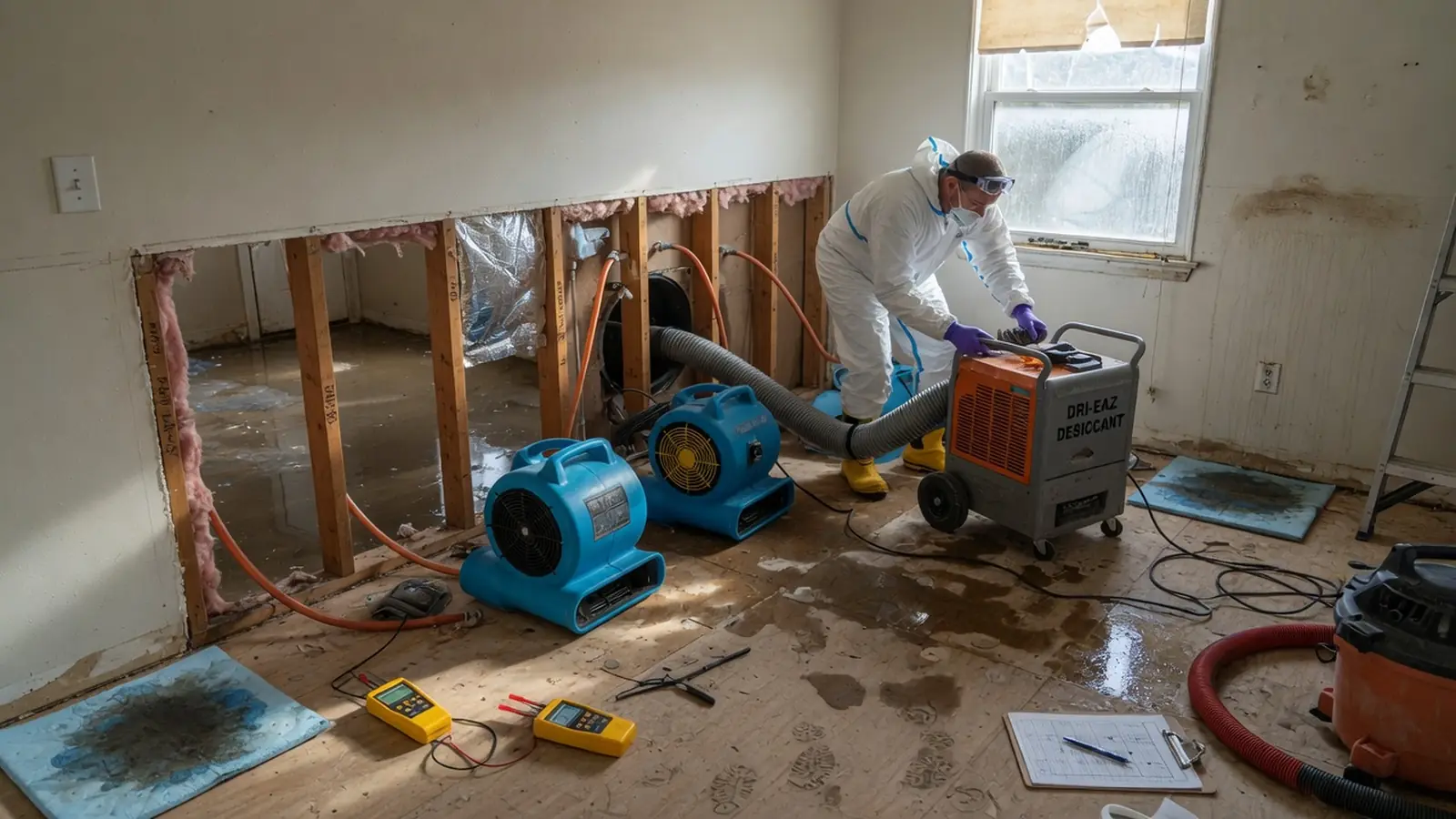
Homeowners confronting an active indoor pipe break need urgent extraction and rapid structural drying protocols to stop water from ruining living areas. Our dedicated technicians arrive quickly with commercial extractors, desiccant dehumidifiers, and thermal cameras to protect your property framing. We stabilize active leaks, map hidden moisture, and restore your home to safe, dry conditions.
Call (661) 555-0121 if water is running now.
Prefer to talk? (661) 555-0121
Rapid Burst Pipe Mitigation And Structural Drying
Our technicians have spent years mitigating pressurized plumbing failures across high desert residential communities where winter freeze-thaw cycles frequently burst exposed supply lines.
We specialize in rapid water extraction and structural drying, providing comprehensive emergency water damage restoration across the property immediately after plumbing lines rupture.
Unlike slow plumbing leaks, a pressurized burst pipe forces water deep into wall cavities and subflooring, requiring invasive moisture mapping and cavity drying before structural repairs.
Homeowners often face plumbing ruptures concealed between floor joists that send water cascading through ceiling drywall, requiring immediate ceiling drainage, extraction, and cavity drying.
Hot-water pipe bursts generate pervasive steam that condenses and warps trim, walls, and ceilings in rooms completely untouched by standing water.
Every project concludes with calibrated thermal imaging inspections and thorough containment cleanup to verify all framing members have returned to safe moisture equilibriums.
Our Step-by-Step Burst Pipe Restoration Process
For burst supply lines beneath concrete slabs common across the valley, crews frequently perform overhead pipe reroutes through attics rather than jackhammering through finished interior flooring, helping you learn more about preventing future indoor plumbing ruptures from frozen pipes.
- Immediate Isolation And Water Extraction. We locate the primary shutoff to stop active flooding and deploy truck-mounted extraction units to remove pooled water from flooring and subfloor layers.
- Flood Cuts And Wet Insulation Removal. Saturated exterior wall insulation must be removed via flood cuts immediately because trapped dampness inside closed wall cavities rapidly breeds mold. We carefully extract compromised batting and open wall bases to establish continuous cross-ventilation, coordinating professional mold remediation protocols for wet drywall where elevated moisture lingers.
- Hardwood Removal And Cavity Drying. In technical trade demonstrations, specialists emphasize that buckled hardwood flooring must be torn out during mitigation to directly expose and dry saturated subfloor plywood before permanent fungal decay begins. Our crew strips warped planks and positions high-velocity air movers alongside commercial dehumidifiers directly over wet floor joists.
- Moisture Mapping And Verification. Using penetrating moisture probes and infrared imaging, our technicians track drying progress daily until all structural wood and drywall reach dry standards.
Documented Protocols And Evidence Preservation
Our commitment guarantees careful documentation and structural protection throughout every phase of mitigation. Failed pipe fittings and ruptured valves must be preserved during demolition so insurance origin-and-cause investigators can verify claim eligibility, ensuring your claim paperwork remains fully substantiated. We maintain industrial drying standards and protect adjacent living areas until certified moisture readings confirm your property is thoroughly dry.
Under-Slab Rupture Mitigation
When homeowners detect warm floor spots and rushing water sounds under concrete foundations, facing dilemmas between concrete demolition spot repairs and attic overhead repiping, our technicians pinpoint the exact failure zone. We isolate the rupture and execute clean attic bypass lines that protect your interior finishes.
Ceiling And Joist Cavity Drying
Interfloor pipe ruptures send water cascading through ceiling drywall into lower living areas. We perform immediate drainage cuts, extract standing ceiling water, and deploy injection drying systems into hidden joist bays.
Pressurized Pipe Water Extraction
Active water line splits require rapid structural drying and invasive moisture mapping to safeguard wall cavities and subflooring before mold forms. Our teams extract standing water and run desiccant dehumidifiers until framing reaches baseline moisture levels.
Dedicated High Desert Water Mitigation
We approach every pipe rupture emergency with disciplined moisture containment, verified thermal inspection, and thorough property protection across our service territory.
- 6Zip Codes Served
- 5Service Areas
- 3Services Offered
Real feedback from local homeowners who experienced plumbing emergencies and relied on our crew for rapid extraction, clean work practices, and thorough structural drying.
“A previous plumber left our ceiling open with soaked insulation still hanging between the floor joists after patching a split copper line. The crew stepped in immediately, extracted the remaining pooled water, cut out the ruined drywall cleanly, and placed industrial air movers to dry out the subfloor before any rot set in.”
Marcus V.
“When our water heater supply line gave out and flooded two bedrooms, we braced ourselves for unexpected fees on top of the initial estimate. Instead, this company provided a completely transparent line-item breakdown upfront and stuck to that exact figure all the way through final drying. Not a single surprise charge appeared on the final bill.”
Brenda K.
“Every evening during the structural drying phase, the technicians swept up drywall dust, coiled all power cables neatly, and ensured clear walking paths through our hallways. Dealing with loud drying equipment was stressful enough, but knowing the team took genuine care to secure the work zones before leaving for the night made living through the disruption manageable.”
Darren T.
“Moisture meter readings and detailed photo logs arrived directly on my phone every single morning without me ever having to ask. The lead technician explained exactly how much moisture remained in our wall cavities each afternoon and outlined what steps were scheduled next. That proactive communication gave our family total peace of mind throughout the entire restoration.”
Elena S.
Frequently Asked Questions
How quickly should water mitigation begin after an indoor pipe bursts?
Water mitigation should begin immediately within the first four hours to prevent permanent structural rot and dangerous microbial expansion. A pressurized burst forces moisture deep into wall cavities, subflooring, and framing. Rapid extraction and industrial dehumidification halt secondary damage before it compromises structural integrity.
Why is an overhead attic reroute often preferred over slab demolition?
Attic reroutes bypass ruptured concrete slab lines cleanly without jackhammering through finished floors or risking foundation structural stability. Supply line leaks under concrete slabs are common in the local area. Overhead repiping through attic joists eliminates messy indoor concrete excavation and restores clean water delivery safely.
How long does structural drying take after major burst pipe flooding?
Complete structural drying typically takes between three to five days depending on the saturation depth of framing studs and subflooring materials. Moisture meters and thermal imaging cameras monitor progress daily. Saturated exterior wall insulation and buckled flooring must be removed quickly so trapped moisture can evaporate thoroughly.
Will homeowner insurance cover cleanup and repairs from a ruptured pipe?
Standard policies generally cover sudden water extraction and drying if damaged fittings are preserved to prove the rupture was accidental. Insurance origin-and-cause adjusters require physical evidence before approving claims. Our technicians keep failed valves, ruptured copper sections, and detailed moisture logs intact for your adjuster.
Can steam from a hot-water pipe burst damage rooms without standing water?
Pervasive steam from hot water ruptures rapidly condenses on drywall, warping trims and peeling paint in rooms untouched by standing pools. Elevated relative humidity quickly travels through interior hallways and ceilings. Comprehensive dehumidification across adjacent rooms prevents indirect mold growth and wood swelling.