
Lancaster Mold Remediation
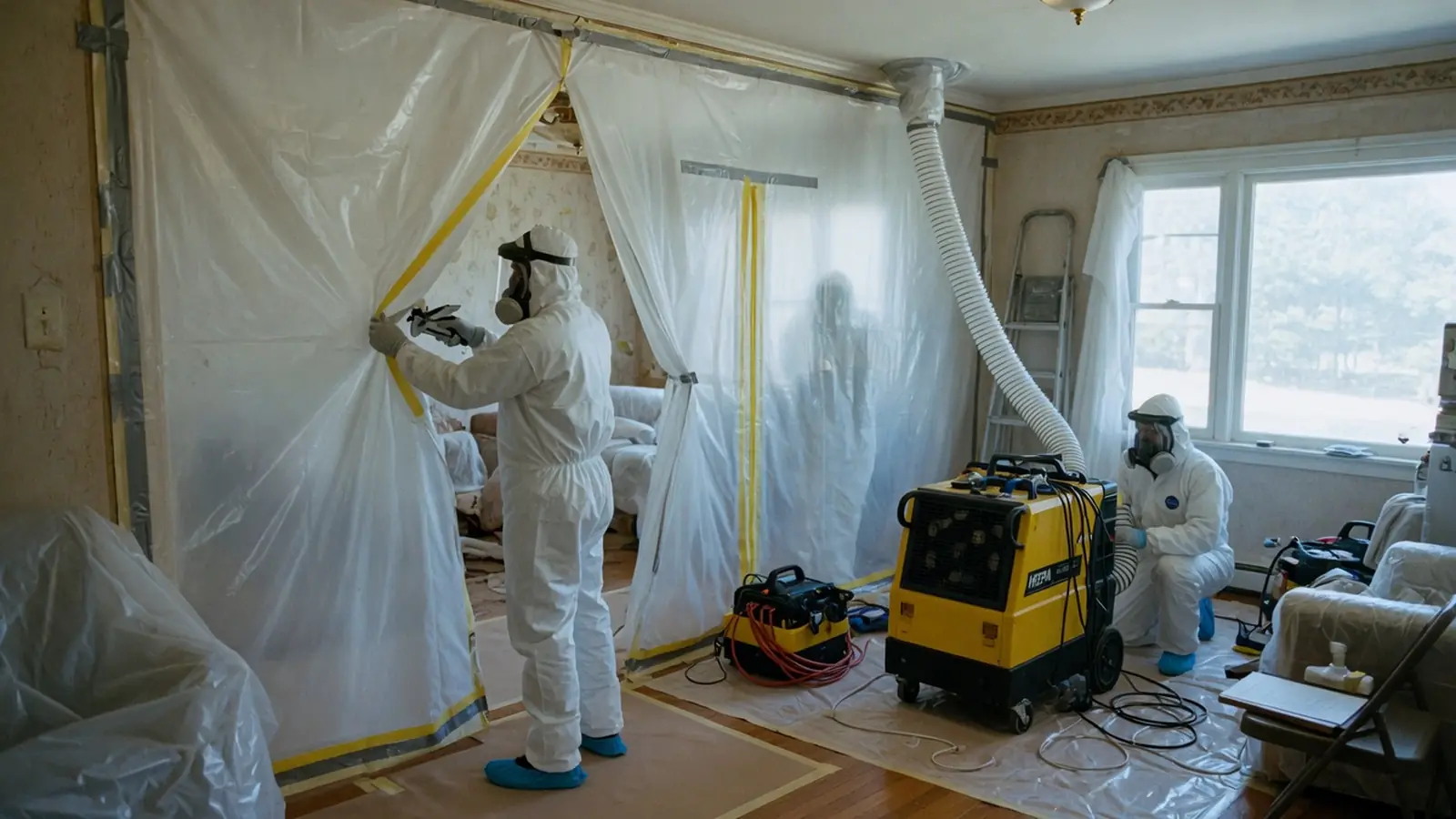
Indoor pipe leaks trap heat and moisture inside closed walls, creating microclimates where microbial colonies expand rapidly. Our certified technicians isolate contaminated zones, run HEPA air scrubbers, and eliminate structural dampness to protect your indoor air quality.
Questions first? (661) 555-0121.
Prefer to talk? (661) 555-0121
Precision Mold Remediation And Structural Drying
Property owners uncover visible mold growth following moisture intrusion and are unsure if DIY chemical sprays are sufficient or if containment and commercial air scrubbing are required.
Although the high desert air is naturally arid, indoor pipe leaks trap heat and humidity inside wall cavities, creating microclimates where mold can colonize within 24 to 48 hours.
The median owner-occupied home locally was built in 1985 according to Census ACS 5-year estimates.
The regional building stock includes 55,252 housing units on record in the Census ACS 5-year estimates.
About 20% of housing units (11,085 of 55,252) were built since 2000, so a substantial share of the local stock is still on its original systems.
If structural moisture has spread through your property, you can schedule emergency water damage restoration across the valley to halt deterioration early.
Our Proven Step-by-Step Remediation Process
Before remediation begins, stopping active water ingress is essential, and homeowners can find professional burst pipe repair solutions to secure plumbing lines. Homeowners discovering soaked baseboards, saturated subflooring, and hidden mold struggle to know how many inches of drywall must be removed above the water line to ensure proper drying, which is why our certified team follows exact containment and extraction protocols.
- Inspection And Moisture Mapping. Our team inspects plumbing routes, including mitigating winter damage from frozen pipes that frequently crack during desert cold snaps. Technicians identify hidden moisture pockets with thermal imaging while ensuring failed pipe fittings and ruptured valves must be preserved during demolition so insurance origin-and-cause investigators can verify claim eligibility.
- Containment And HEPA Air Scrubbing. Remediation crews establish negative air pressure containment zones with HEPA filtration before disturbing mold colonies to stop airborne spores from cross-contaminating unaffected living areas.
- Controlled Demolition And Material Removal. Buckled hardwood flooring must be torn out during mitigation to directly expose and dry saturated subfloor plywood before permanent fungal decay begins. Saturated exterior wall insulation must be removed via flood cuts immediately because trapped dampness inside closed wall cavities rapidly breeds mold.
- Antimicrobial Treatment And Deep Drying. Exposed structural framing is thoroughly sanitized using hospital-grade antimicrobial solutions followed by HEPA vacuuming. Industrial dehumidifiers and high-velocity air movers run continuously until wood moisture content drops below fourteen percent.
Our Clean Air Guarantee
We adhere strictly to IICRC S520 remediation standards on every residential project. Failed pipe fittings and ruptured valves must be preserved during demolition so insurance origin-and-cause investigators can verify claim eligibility, ensuring your documentation remains intact from initial barrier installation to final clearance verification.
Crawl Space And Attic Remediation
We eliminate hidden mold colonies lurking in unconditioned crawl spaces and roof attics. Our crew seals penetrations, sanitizes framing timbers, and removes contaminated insulation.
Drywall And Framing Decontamination
Saturated sheetrock and trim are cleanly excised using precision flood cuts. We apply commercial antimicrobials to underlying studs and dry framework completely.
Air Scrubbing And Spore Clearance
Industrial negative air machines capture microscopic airborne spores during structural repairs. Continuous HEPA filtration restores healthy indoor air quality throughout your living spaces.
Dedicated Property Restoration Across The Valley
Our trained remediation specialists deploy commercial drying equipment and negative air barriers to restore safe living conditions.
- 6Zip Codes Served
- 4Service Areas
- 3Services Offered
Read genuine feedback from property owners who experienced our structured containment, clean demolition, and transparent communication.
“During demolition of our master bathroom wall, the crew uncovered extensive rot inside the framing that none of us anticipated. Instead of panicking, they immediately sealed off the bedroom with plastic containment, brought in extra air scrubbers, and walked me through the structural repair plan. Their calm professionalism turned what could have been a disaster into a straightforward fix.”
Marcus R.
“We had an escrow buyer inspection scheduled in four days when a plumbing leak spawned black spots along our hallway baseboards. The team mobilized that afternoon, worked around the clock to clean the framing, and completed full clearance testing just hours before the appraiser arrived. Thanks to their rapid response, our home sale closed on schedule without a hitch.”
Elena S.
“A previous handyman simply sprayed bleach over our laundry room drywall and painted over it, which allowed fungus to spread deeper into the stud cavities. When this company took over, they stripped out the ruined sheetrock, treated the underlying lumber with commercial anti-microbial wash, and ran HEPA filtration until the air was spotless. It was a massive relief to finally have the problem fixed the right way.”
David P.
“Every detail was written into the initial quote before any plastic barriers were taped up, and they stuck to that number through completion. Even after running dehumidifiers for an extra day to ensure the subflooring dried completely, the final invoice matched our estimate to the penny. Finding honest contractors who honor their word without tacking on surprise fees is rare.”
Brenda K.
Frequently Asked Questions
Can surface mold on bathroom drywall be safely treated with household bleach, or does the affected sheetrock require removal?
Bleach cannot eliminate fungal roots in porous drywall, so sheetrock with visible growth requires containment and complete physical removal. Chlorine bleach remains on the surface while moisture sinks deeper into the gypsum core, feeding the underlying fungal colony. Safe decontamination requires removing affected drywall under negative pressure containment and sanitizing exposed wall framing.
Are DIY chemical sprays sufficient for mold cleanup, or are containment and commercial air scrubbing required?
DIY chemical sprays only kill surface spores temporarily, whereas professional containment and HEPA air scrubbing remove airborne contaminants. Over-the-counter biocides do not capture circulating airborne spores or reach hidden microbial pockets behind baseboards. Professional remediation establishes physical containment zones and continuous HEPA filtration to prevent cross-contamination to clean living areas.
How quickly does mold colonize inside wall cavities following an indoor pipe leak?
Trapped moisture and warm indoor air allow fungal colonies to germinate and spread inside enclosed wall cavities within 24 to 48 hours. Because wall cavities lack natural ventilation, saturated drywall and insulation create an ideal breeding environment. Prompt structural drying within the initial forty-eight hours is crucial to prevent widespread structural degradation.
How many inches of drywall must be removed above the water line during remediation?
Restoration standards require cutting drywall at least 12 to 24 inches above the highest moisture mark to eliminate wicking dampness. Water wicks upward through porous gypsum board and backing paper well above the visible water level. Making clean horizontal flood cuts at this height ensures all damp material and saturated insulation are completely cleared.
Why does buckled hardwood flooring require removal rather than surface drying?
Buckled hardwood traps moisture against subfloor plywood, requiring immediate tear-out to facilitate deep drying and prevent wood rot. When cupping and buckling occur, trapped moisture underneath cannot escape through surface evaporation alone. Tearing out damaged planks exposes the subfloor to commercial dehumidification, stopping wood rot and permanent structural decay.